Discovering the Vibrant World of Moroccan-style Tiles
Lately, tiles of zellige origin have surfaced as a captivating fashion in home decor, delighting homeowners and designers alike with their lively colors and elaborate patterns. These handmade ceramic tiles showcase ages of Moroccan craftsmanship, deeply rooted in tradition and culture. From their striking geometric designs to their exquisite finishes, zellige tiles provide a distinctive way to transform any space into a stunning visual.
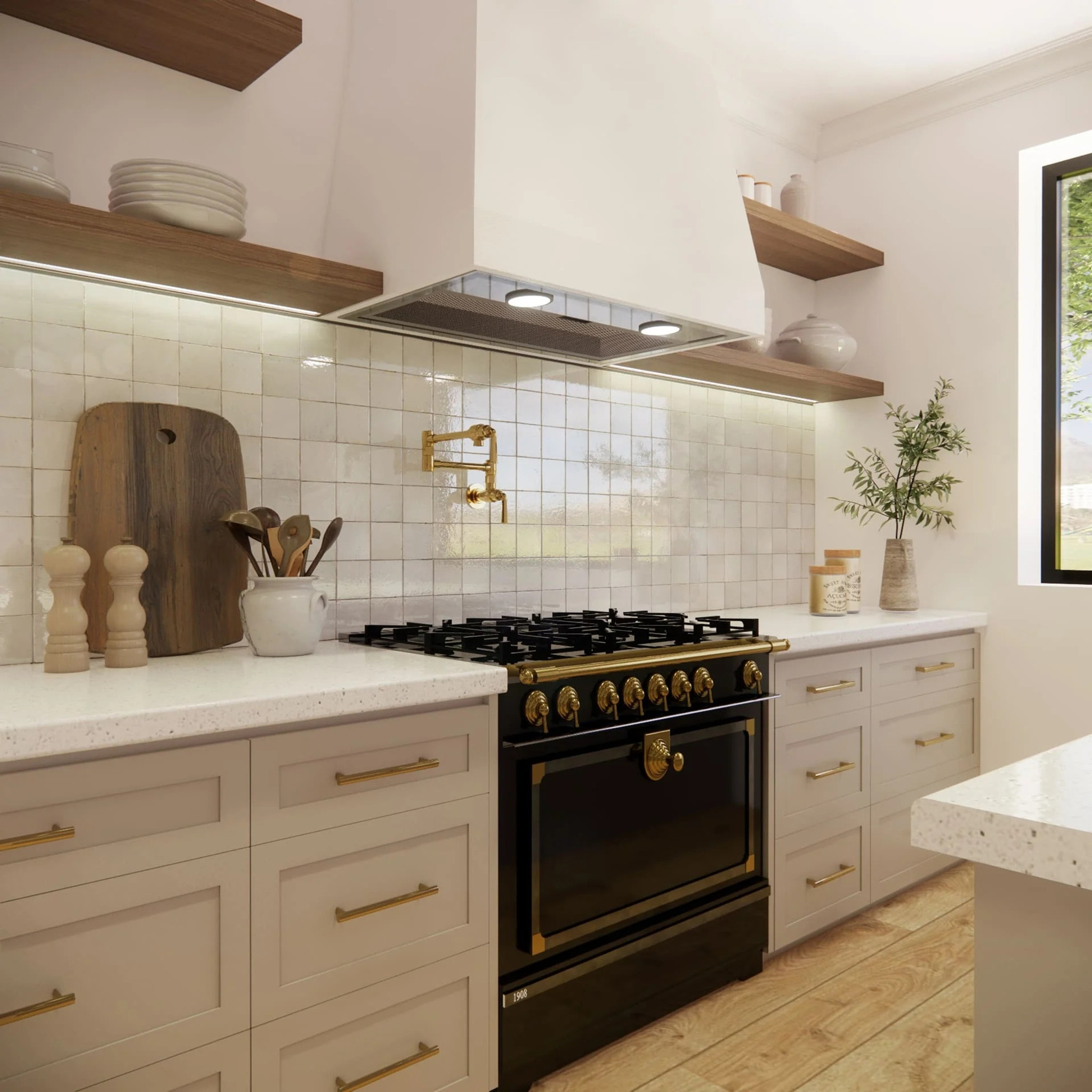
The allure of zellige lies not only in its appearance but also in its flexibility. Regardless of whether utilized as a back wall in a current kitchen, a focal wall in a bathroom, or even in traditional settings, these tiles can transform the atmosphere of any area. With a rich palette that includes everything from cozy whites and soothing blues to organic greens and striking blacks, there is a suitable shade for any decor style. Explore the dynamic world of Moroccan zellige and discover how it can invigorate your home.
Overview to Zellige
Zellige tiles are a stunning and eye-catching expression of Moroccan craftsmanship, known for their detailed designs and extensive history. Hailing in Morocco, these crafted ceramic tiles are characterized by their dynamic colors and unique shapes, making them a preferred choice for both classic and current spaces. Zellige tiles fuse creativity with practicality, as their resilient nature makes them suitable for multiple applications, including flooring, backsplashes, and shower walls.
What sets zellige apart is the artisanal technique used in its creation. Each tile is diligently crafted by hand, which results in minor variations in hue, dimension, and feel. This distinctiveness enhances the charm of zellige, allowing each installation to speak individually. The versatility of zellige tiles is noteworthy, as they can be arranged in structured designs or more organic layouts, reflecting the cultural heritage of Morocco while integrating with modern design aesthetics.
In this exploration of Moroccan zellige, we will investigate the different styles, hues, and applications of zellige tiles. We will also contrast them with other tile options, like traditional tiles, to highlight their distinct features. From warm whites to rich blues and greens, the color range of zellige offers something for every design preference, inviting property owners and designers alike to embrace this beautiful tradition in their spaces.
Types of Zellige Tiles
Zellige is found in multiple forms and dimensions, every one lending a distinctive ambiance to areas in which they are installed. The traditional quad zellige tile is offered in sizes such as four by four and two by two inches, which make them suitable for both detailed mosaic patterns and larger surfaces. In addition to quadrilaterals, octagonal zellige tiles offer a special look that enhances any aesthetic. These forms can be arranged in intriguing patterns that reflect the essence of Moroccan artistry.
Hue plays a pivotal role in the allure of zellige tiles, with a broad palette ranging from warm whites and soft creams to bright blues and vivid greens. Bright white zellige tiles are especially popular for their flexibility and ability to create a fresh, appeal in spaces like wet areas and cooking spaces. The warm white and cream options also promote a sense of tranquility, while the more vivid blues and greens can evoke the essence of Moroccan landscapes and traditional artistry.
Another fascinating type of zellige is the bejmat tile, which is characterized by its larger, more rectangular shape. Bejmat tiles often display a rough charm due to their handmade nature and tactile surfaces. These tiles can be used in a variety of applications, from backsplashes to ground surfaces, seamlessly blending with the overall aesthetics of the environment. The choice between zellige and bejmat ultimately depends on the desired look and feel of the space, allowing for endless design options.
Color Choices of Zellige Tiles
The attraction of zellige tiles lies substantially in their diverse hue. Traditional Moroccan-style zellige tiles are frequently celebrated for their lively hues, ranging from rich blues and greens to warm earth tones and muted pastels. Each hue evokes a unique ambiance, capable of altering a space from calm to energetic. The intense tones are achieved through organic pigments and the craftsman techniques that have been passed down through generations, ensuring an genuine aesthetic.
In contemporary design, white zellige tiles have gained recognition for their clean look. These tiles can illuminate a space, making them a ideal choice for bathrooms and kitchens. Variations such as gentle white zellige tiles add a touch of warmth to minimalist interiors while maintaining a sharp feel. Moreover, the subtle sheen common of zellige tiles enhances the interplay of light, creating depth in simple designs.
Beyond white tones, black hues, and natural tones like beige and brown, zellige tiles also come in exquisitely textured options. For example, bright pinks or lush emerald greens can add striking focal points in various settings, including fireplaces and backsplashes. The combination of hues in patterned zellige tiles, such as those united in complex mosaics, demonstrates the tile's adaptability and potential to suit various design styles, making them a preferred choice for both conventional and contemporary decor.
Applications of Zellige Tiles in Interior Design
Zellige tiles are well-known for their flexibility, making them an perfect choice for multiple design uses. In home spaces, zellige can convert kitchens and bathrooms into dynamic focal points. Cream zellige tile backsplashes in kitchens create a tidy and classic look, while bright blue and green zellige tiles can add a burst of character to bathroom walls. The special reflective properties of zellige enhance light and depth, bringing warmth and a sense of luxury to any room.
Beyond conventional rooms, zellige tiles have found their way into business spaces, such as restaurants and boutiques, where they can cultivate an inviting atmosphere. Designers often utilize patterned zellige tile as feature items in entryways or accent walls, complementing contemporary or classic aesthetics alike. The durability and low maintenance of zellige make it an excellent choice for busy areas, ensuring that it retains its aesthetic appeal over time.
Furthermore, zellige is more and more being integrated into outdoor spaces, such as patios and pool areas, providing a unique blend of style and functionality. The variety of colors and shapes offered, including octagon zellige tile and terracotta zellige tile, allows for endless creative possibilities in outdoor design. This adaptability ensures that zellige tiles can introduce a dash of Moroccan heritage to both indoor and outdoor environments, enhancing the overall aesthetic while providing practical benefits.
Care and Care for Zellige Ceramics
Zellij tiles are known for their aesthetic appeal and uniqueness, but they need appropriate maintenance to maintain them looking their best. Routine maintenance is essential to avoid grime and markings from accumulating. Utilize a mild, balanced pH detergent diluted with warm water for regular cleaning. Steer clear of strong chemicals or rough scrubbers, as these can harm the glaze and color of the tiles finish and color. A soft cloth or a soft sponge works best for cleaning the tiles, making sure that they stay colorful and without scratches.
For areas prone to moisture, such as restrooms and cooking areas, ensure that zellige ceramics are adequately sealed to prevent water leakage. Although zellige is relatively tough, sealing can protect it from stains and ease the cleaning process more convenient. Depending on the foot traffic and environmental conditions, renewal of the sealer may be required every few years. Always adhere to the manufacturer’s recommendations for sealing products to ensure it works well with your specific ceramic type.
If you notice damage or cracks in your zellij ceramics, it is crucial to address these problems as soon as possible. Based on the extent of the damage, you may need to replace the broken tile. Fixing or substituting zellige tiles can be a challenging process due to their artisan nature, so it might be best to seek advice from a specialist who focuses in zellij work. Implementing these steps will help preserve the appeal and quality of your zellij ceramics for a long time to come.